The Magic of Handwritten Cards (And Why They Matter More Than Ever)
Remember mail? The kind that doesn’t say “Final Notice” or invite you to jury duty?
You’re sifting through the usual stack of bills, coupons you’ll never use, and takeout menus you didn’t ask for—and then, suddenly, you spot it.
A colorful envelope.
Real handwriting.
Your name spelled correctly (bonus!).
You tear it open, and inside is a sweet, thoughtful handwritten card from someone who took a minutes out of their busy life just to tell you: “I’m thinking of you.”
Table of Contents
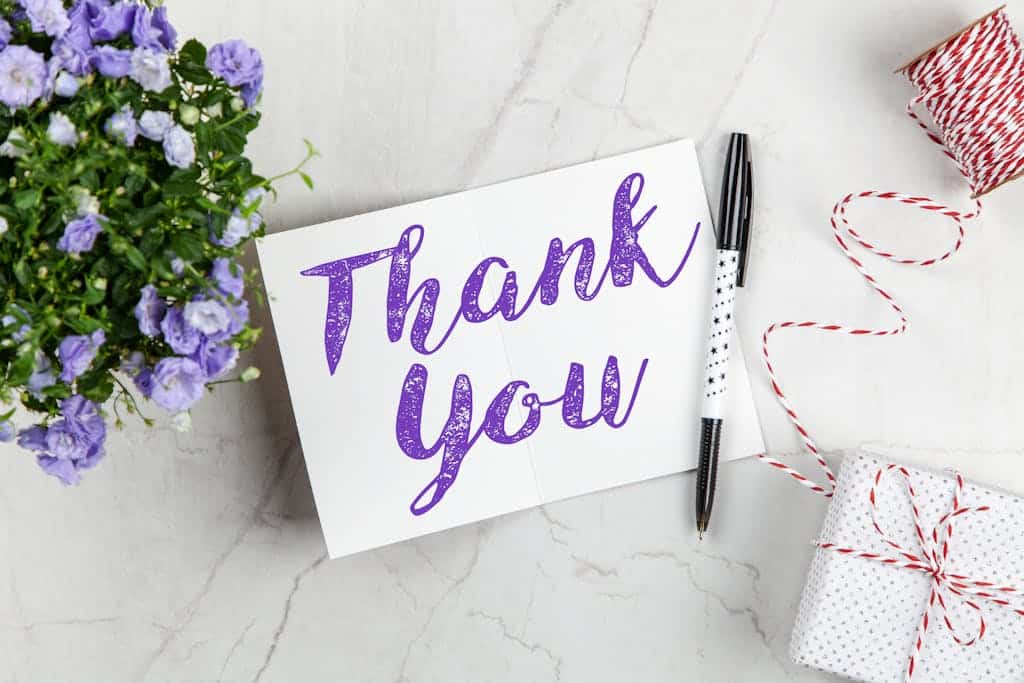
I love getting cards in the mail. It makes me feel important and like someone cares. After we lost our dog last year, I got sympathy cards from a few people, and I felt understood.
Handwritten cards might not be trending—but honestly? That’s part of their charm. While everyone else is double-tapping and ditching group chats, you’re out there sending a thoughtful message.
On paper.
With a stamp.
It’s unexpected. It’s personal. And it’s way more meaningful than a “U up?” text at 10 p.m.
Let’s get into why these notes are still worth your time—and how to make sending them your new superpower.
Why Handwritten Cards Still Hit So Hard
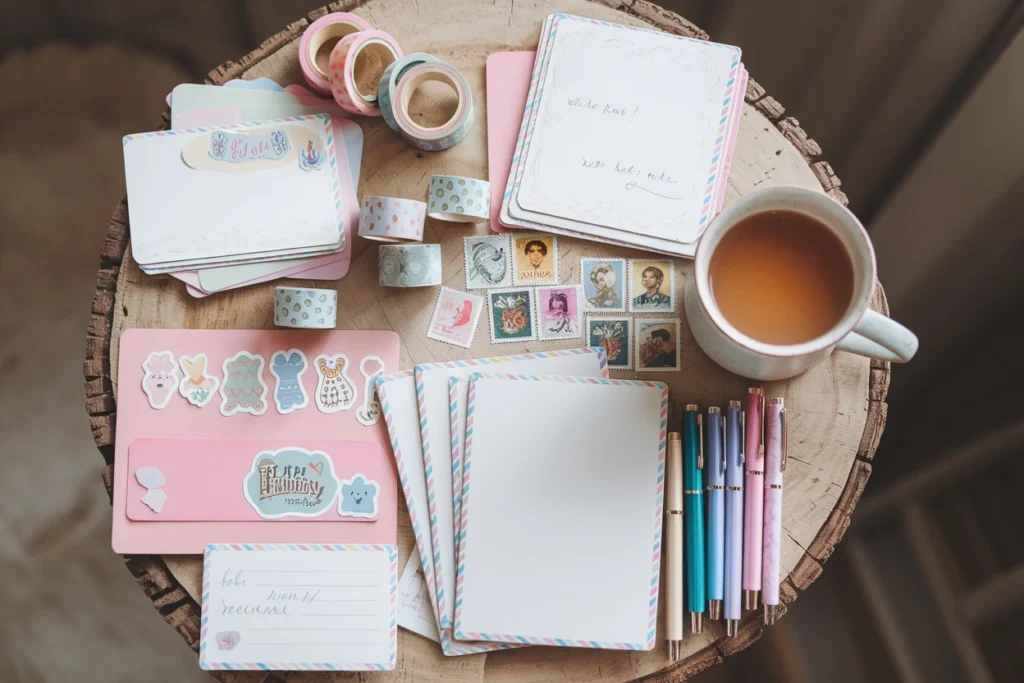
We’re living in the time of “seen” messages and group texts that leave you stressed by 8 a.m. Digital everything has made it faster to “stay in touch”—but not necessarily better. That’s where handwritten cards shine.
Maybe it’s my age, but I still prefer to handwrite almost everything, and cards especially.
Sending a card is different than the typical DM. Cards are intentional moments to let someone know you care.
When you receive a card or letter, you know that someone chose that card, looked for just the right pen, sat down, and put thoughts into words—for you!
It’s like someone took a piece of their heart, wrapped it in an envelope, and sent it straight to your doorstep. There’s something kind of magical about holding something they held. It traveled through real hands and real miles.
I like to think of it as the Muggle version of getting a letter from Hogwarts… minus the feathers, but still full of feels.
It’s the Effort That Says Everything
Sure, you can send a “Happy Birthday!” text while waiting in the preschool pickup line. We’ve all done it. No judgment.
But sending a card? That’s a whole process.
- You pick the perfect one (Funny but not weird. Cute but not cheesy. You know the struggle.)
- Write something meaningful (Even if it’s just: “I miss your face.”)
- Find a stamp (I thought I saw them in this drawer, where are they?)
- Actually mailing it (Which involves leaving the house. And pants.)
It takes time, thought, and effort. That’s why it means more. It’s saying, “You’re worth my time and attention.”
Tangible = Touchable Emotions
Unlike texts that disappear into the scroll abyss or emails you “mark as unread” and forget forever, a card sticks around.
Literally.
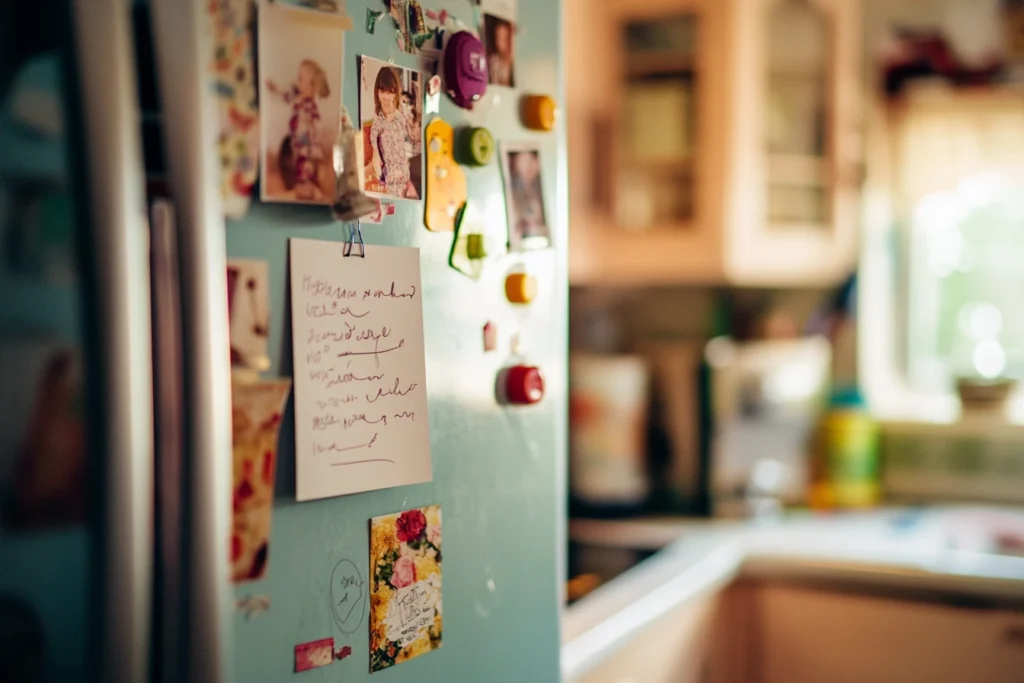
You can drop it on your nightstand, pin it on the refrigerator, or tuck it in that drawer where you keep your extra charger cables and your kid’s macaroni art.
When I come across cards that my kids have given me, it brings me back to when they were little. I love their messy handwriting, and their cute thoughts.
Cards are a physical reminder that someone cares. And the little oopsies? Smudged ink, slightly crooked handwriting (can anyone really write in a straight line), or a doodle in the margin? That’s what makes it human.
Science Says Cards Are a Mental Health Win
Well, I’m going to nerd out for a minute.
Studies show that writing and receiving kind words—especially in a physical form—boosts happiness, lowers stress, and positively increases connection with he other person.
Why? Because it taps into gratitude—one of the most powerful mood boosters we’ve got.
When you take a moment to express care, or receive it, your brain perks up. You feel more connected, more grounded, more seen.
For the sender, writing a card helps you slow down and remember how much you care about the receiver.
For the person getting the card, it’s like a little voice saying, “Hey—you matter.”
It’s not just paper and ink. It’s proof that someone took a moment out of their chaos to think of you.
It’s especially important during the hard stuff—grief, illness, heartbreak, or just Tuesday when life feels like too much.
A card is like saying: “Hey, I see you. You’re not alone.”
Which is the best gift you can give.
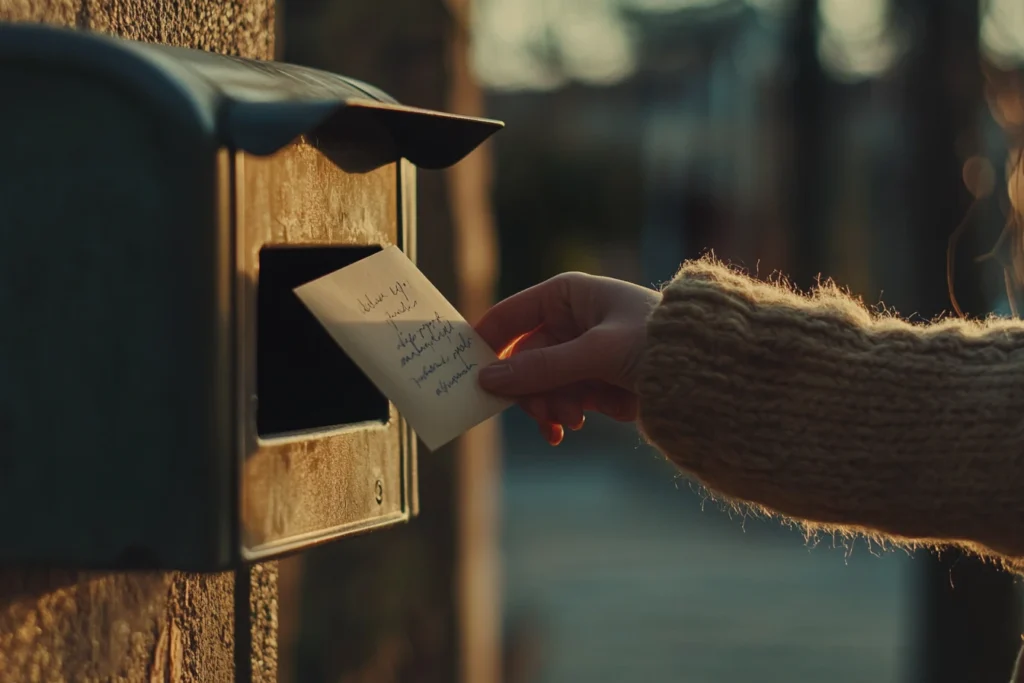
When to Send a Card? Literally Anytime.
The big moments are obvious—birthdays, graduations, baby showers. But some of the most memorable cards come out of the blue.
Try sending a card for:
- A random Tuesday
- “Saw this and thought of you”
- Encouragement before a big (or scary) thing
- After a hard week (or month… or year)
- Apologies. Forgiveness.
- Just because you love them.
You don’t need a special occasion to send a card. Sending a “just because” card might be the best reason of all.
This is also a great time to involve your kids. They are learning about gratitude and thoughtfulness. These are habits we want to instill in children early.

How to Make Your Card Extra Special (Even If You’re Not a Word Person)
You do not need to be Shakespeare. Or even mildly poetic. You just need to be you.
Here are a few ways to add a little ✨wow✨ to your snail mail:
1. Write Like You Talk
Seriously. If you’d say “I miss your face” or “I’m proud of you but also mildly annoyed you didn’t text me back,” write that.
Need help figuring out what to say so that it is personal and heartfelt, I can help you with that. I made a custom GPT that will guide you through the process. Sign up now.
2. Get Specific
Mention the inside joke. The random memory. The pizza night where you both forgot the oven was on. That’s the stuff they’ll remember.
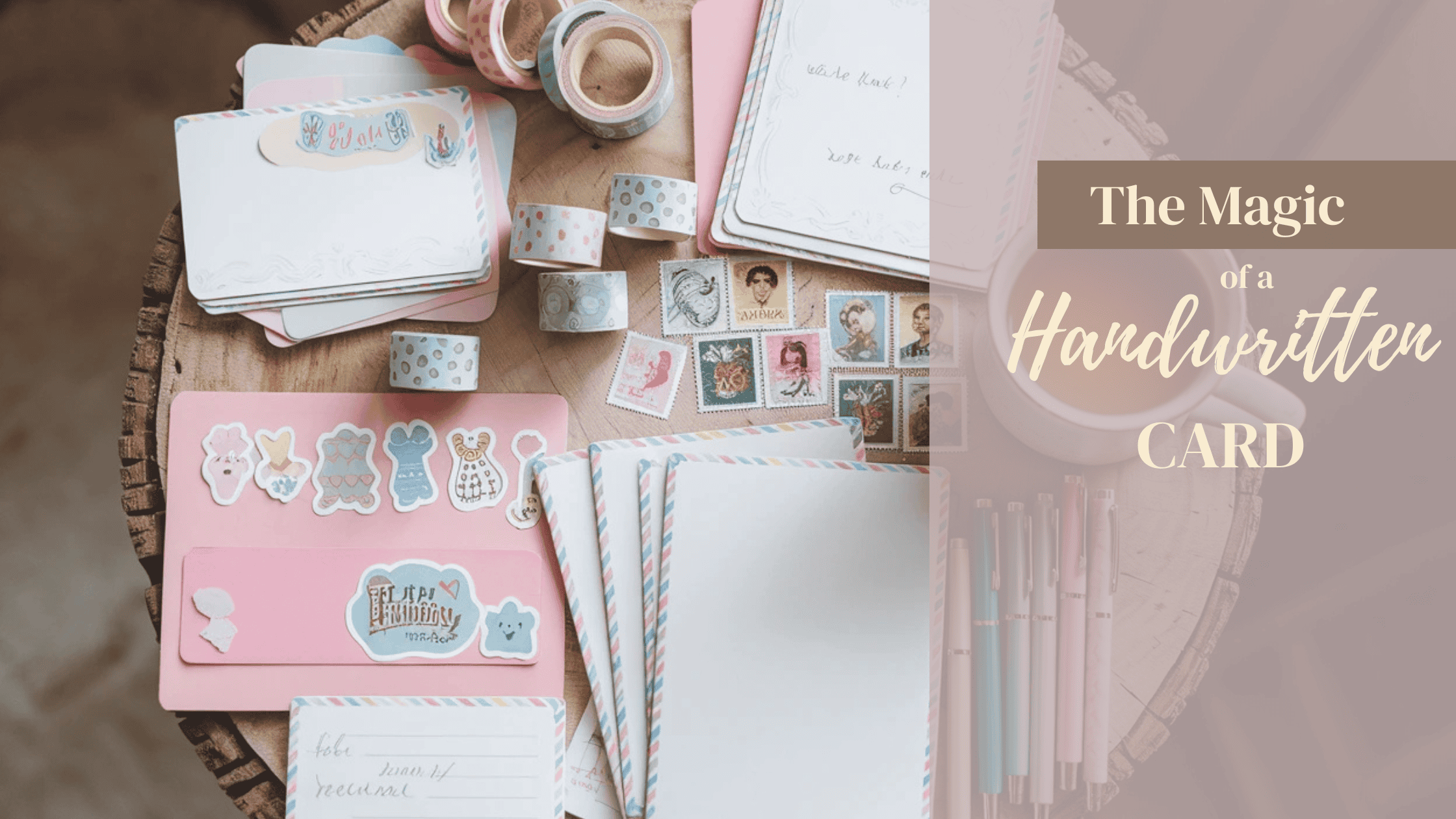
3. Add Visual Flair
- Doodles (stick figures count)
- Stickers (especially if you steal them from your kids)
- A splash of washi tape
- Colored pens
- A wax seal if you’re feeling fancy witchcore
4. Make It a Ritual
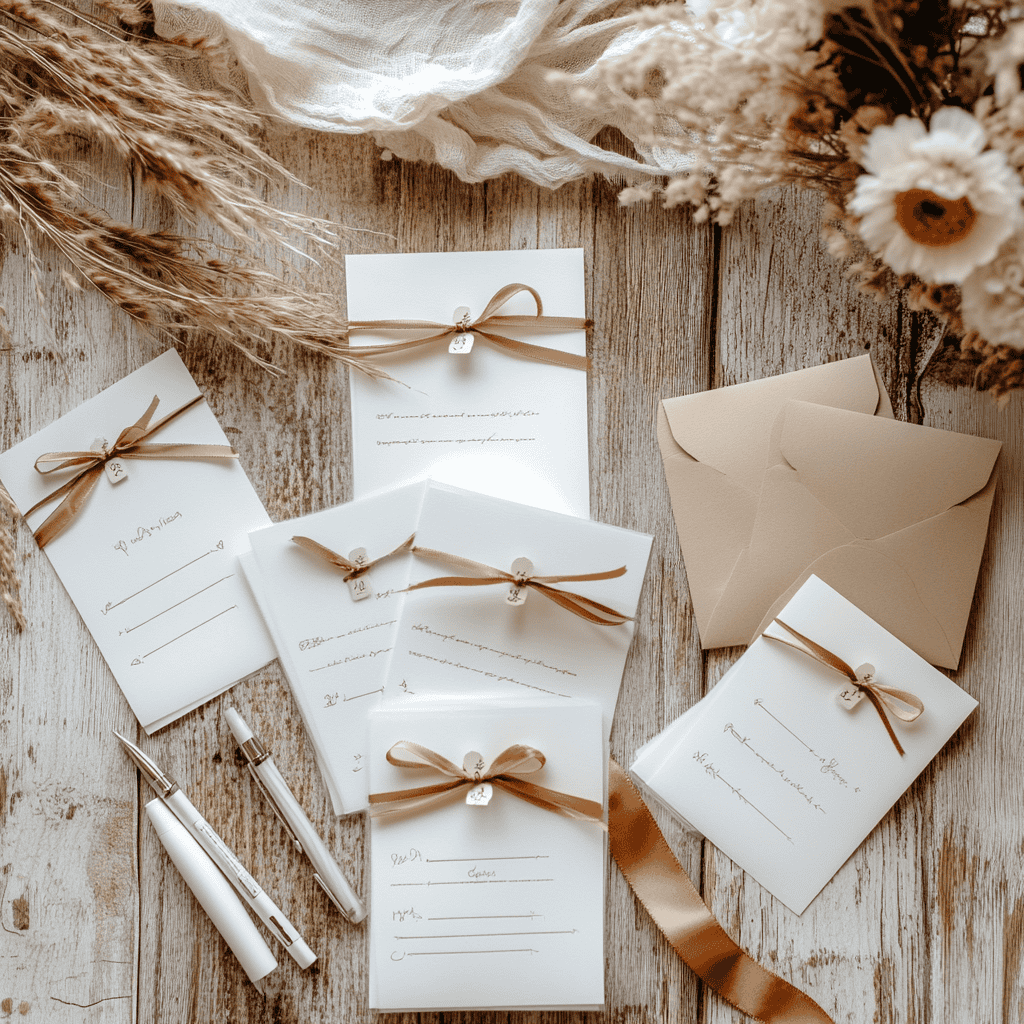
Keep a small stash of cards, stamps, and pens in a drawer or basket. When someone pops into your mind, write and send before you forget.
You don’t need a “perfect” moment. You just need five minutes and a pen that works.
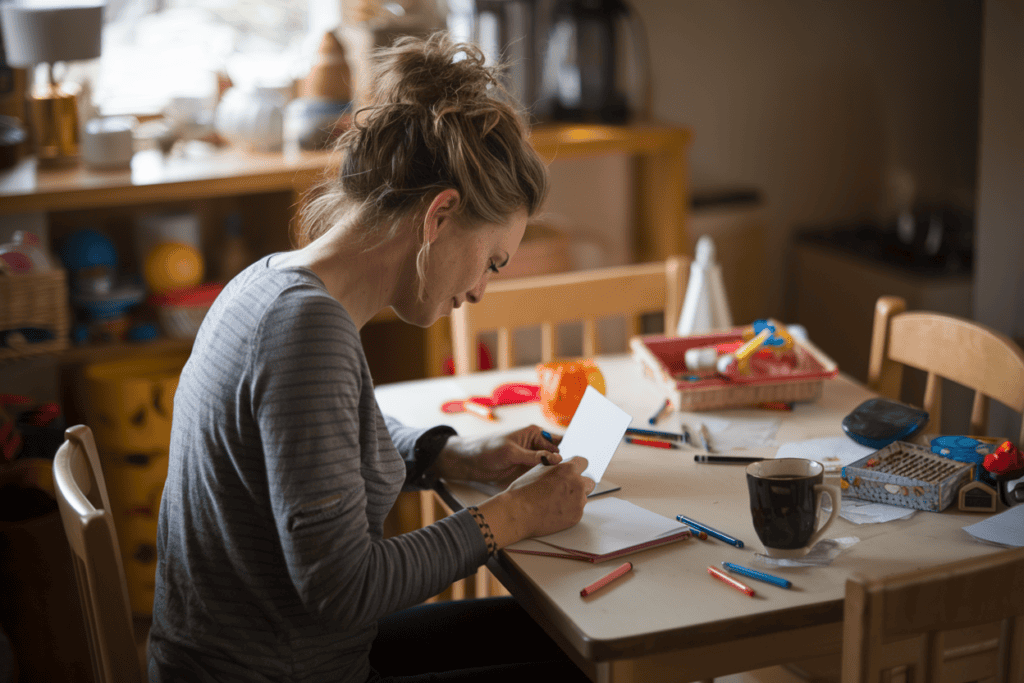
Real Talk: Handwritten Cards Are Like Magic
They’re not flashy.
They’re not trending on TikTok.
But they’re personal and heartfelt.
And when you’re juggling 100 things at once (mom brain, school lunches, that weird noise your car is making), receiving a handwritten card can turn your day around.
So go ahead. Send the card. Scribble the note. Make someone’s day a little brighter.
Because in a world full of fast, loud, and forgettable…
slow, quiet, and thoughtful wins every time.
P.S. If you need an excuse to buy more cute stationery or pretend you’re Hermione writing letters home from Hogwarts? This is it.
Pin Now, Read Later