How to Choose The Right Weight of Paper for Your Greeting Cards
Raise your hand if you’ve ever picked up a handmade card that looked adorable but felt… kinda sad and floppy. Yep, same. When it comes to greeting cards, figuring out how to choose the right weight of paper is a total game-changer.
It’s not just about how your card looks—it’s how it feels, how it stands, and how it holds up in the mail. If you’ve ever wondered, “Which cardstock should I use?”—you’re in the right place.
Why Paper Weight Actually Matters (Yep, It’s a Big Deal)
You know that feeling when you open a card and it feels weirdly thin? Like, it looks cute, but it feels like it came from the clearance bin at the dollar store? That’s where paper weight comes in.
Thin cardstock (like 65lb or 175gsm) might be easier to cut and layer, but as a card base? It’s a no-go. If you want your card to feel sturdy and look polished, you’ll need a thicker weight—something like 100lb or 120lb cover stock (aka 270gsm–325gsm if you’re going metric).
And if you’re adding foil, embossing, or shiny finishes? Thick card stock is your bestie.
Understanding How to Choose the Right Weight of Paper (Without Getting Overwhelmed)
Okay, quick nerdy moment—but I promise to keep it simple.
Paper weight is measured in pounds (lb) here in the U.S., and in gsm (grams per square meter) pretty much everywhere else. Here’s the gist:
Bigger number = thicker, sturdier paper.
In the pound system, it’s based on how much 500 large sheets weigh. In gsm, it’s the weight of one square meter. No need to memorize the details—just remember, higher numbers = more structure.
Which Paper Weight is Right for Greeting Cards?
Here’s a breakdown of the most common paper weights, and when to use each:
- 65lb / 175gsm – Lightweight and flexible. Lovely for layering or die cuts—not great as a base.
- 80lb / 215gsm – Medium weight. Great for cards with lots of embellishments or inserts.
- 100lb / 270gsm – The Goldilocks weight: sturdy, professional, and just right for most card bases.
- 120lb / 325gsm – Extra-thick and luxe. Perfect for holiday cards, wedding invites, or anything that needs to feel extra.
Want a card that stands tall and feels luxe? Choose 100lb or higher.
Cover Stock vs. Text Stock (This Part’s Sneaky)
Here’s where it gets tricky:
80lb text stock ≠ 80lb cover stock.
Same number, totally different thickness.
- Text stock = like flyer paper. Too floppy for cards.
- Cover stock = made for durable, stand-up projects. That’s what you want.
TL;DR: Always go with cover stock when choosing the right weight of paper for your cards.
Things to Think About Before You Pick Your Paper

Here are a few quick considerations before you dive into that card stock stash:
- Your printer: Home printers can struggle with thicker paper. Check your specs first!
- Folding: Heavy cardstock can crack if you don’t score it first. Score, then fold.
- Mailing costs: Heavier cards might need extra postage. Always good to check.
Best Paper Weight for Different Types of Cards
Feeling stuck? Here’s a handy cheat sheet:
- Holiday Cards & Invitations: 100–120lb cover stock
- Thank You Cards: 80lb cover saves a bit while still looking great
- Layered or Decorated Cards: 65–80lb for embellishments, plus 100lb for the base
💡 When in doubt, go for 100lb cover stock—it’s the all-around MVP.
Mailing Heavy Cards? Read This First
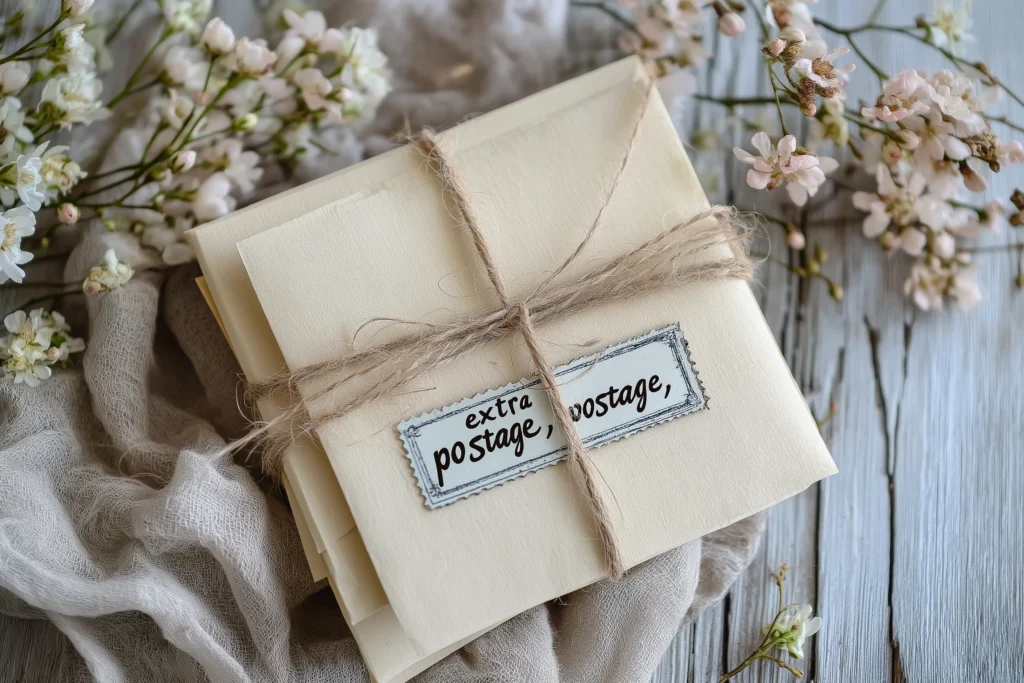
Thicker paper feels amazing, but it can bump your card into a higher postage bracket. Most 100lb cards are good to go, but 120lb might need extra stamps.
📮 Quick tip: Do a test mail at the post office—especially for big batches.
Fancy Finishes Deserve Sturdy Stock
If you’re planning to add:
- Foil or metallic elements
- Embossed details
- Glossy, matte, or soft-touch finishes
- Intricate die cuts
…then you’ll need a cardstock that can handle the pressure. Choose 100lb or 120lb so your beautiful details don’t end up warped or torn.
Final Thought: Don’t Stress—Just Test!
Learning how to choose the right weight of paper for your greeting cards can feel overwhelming at first—but it doesn’t have to be. Try a few options, see what works with your style (and your printer), and trust your crafty instincts.
The right cardstock makes all the difference. It turns your handmade card into something someone truly treasures.
💬 What card stock weight do you swear by for your card bases? Have a favorite go-to? I’d love to know what works for you!